Preparation
We build a foundation first: history, goals, and resourcing skills so you can move in and out of difficult material with support.
EMDR is a structured, evidence-based therapy that helps the nervous system finish processing what it could not fully digest at the time. I offer EMDR in person in Mill Valley, California, and by secure video to clients across Marin County and the rest of the state.
EMDR stands for Eye Movement Desensitization and Reprocessing. When something overwhelming happens, the memory can get stored in a raw, unfinished form: the images, sensations, and beliefs stay vivid and reactive, as if the event were still happening.
EMDR uses brief, focused attention on the memory alongside bilateral stimulation to help the brain reprocess it. The memory remains, but it tends to lose its charge—it becomes something that happened rather than something that keeps happening.
You do not have to narrate every detail out loud for EMDR to work, which makes it a gentler option for experiences that are hard to put into words.
We build a foundation first: history, goals, and resourcing skills so you can move in and out of difficult material with support.
While you hold a memory in mind, we use gentle bilateral stimulation—eye movements, sound, or tapping—to let the brain do its own reprocessing work.
We slow down and make sense of what shifted, so the change settles into how you feel, relate, and move through your days.
We never begin processing before you feel steady enough, and you stay in choice throughout. EMDR can be used on its own or woven into our depth-oriented and somatic work, depending on what serves you.
I do not practice EMDR as a short-term therapy. When we decide to use EMDR together, I usually suggest meeting for long-term therapy, so the work has the time and stability it needs to go deep and last.
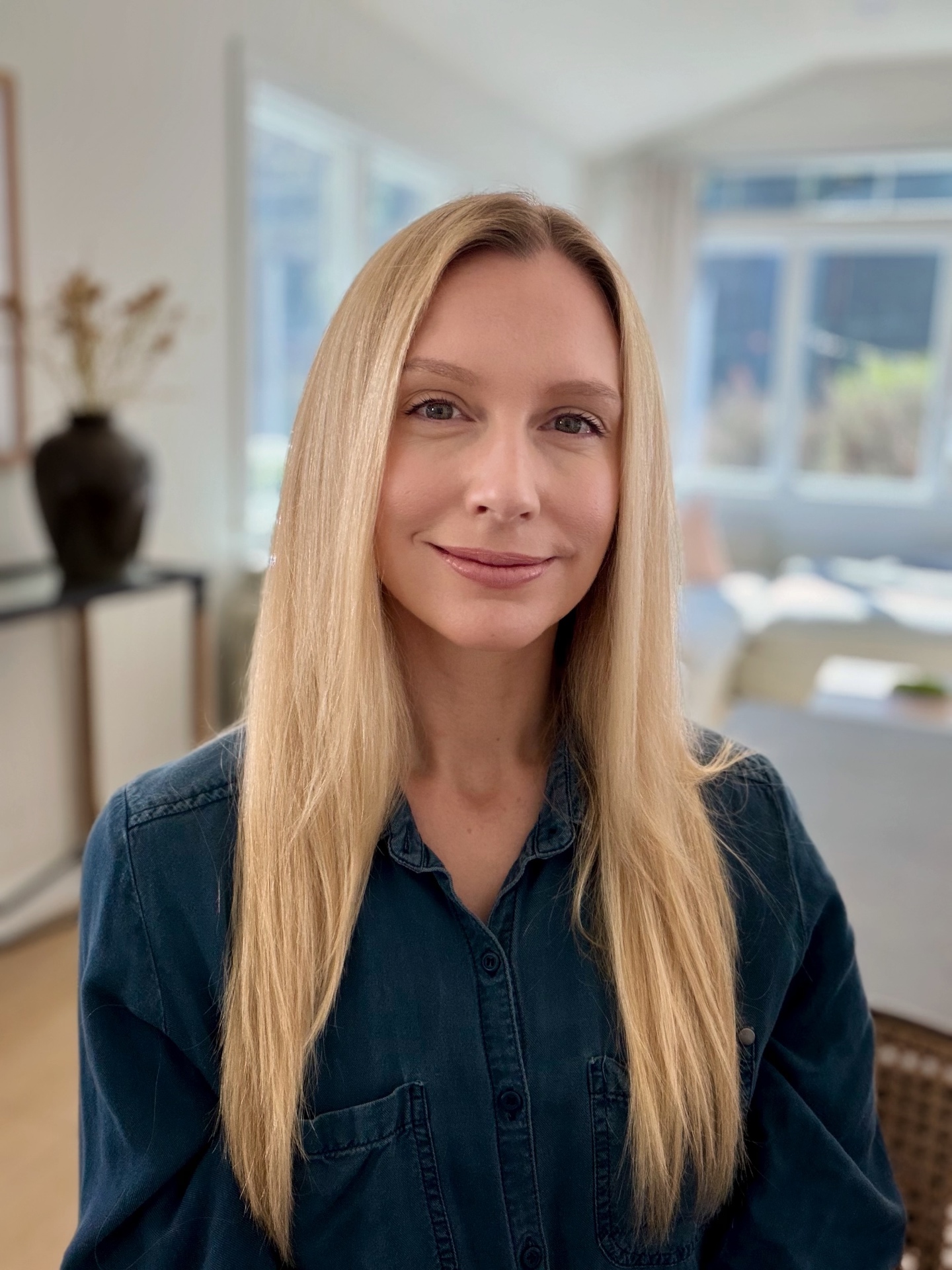
I'm an associate professional clinical counselor (APCC #20063) in Mill Valley, supervised by Laura Rose, LMFT #83808. I see clients in person in Mill Valley and virtually anywhere in California. Learn more about me here.
Share your contact info and I'll reach out. I offer free 15-minute consultations where we can talk about what you're looking for and I can answer any questions you have about how I work.
655 Redwood Highway, Suite 339
Mill Valley, CA 94941